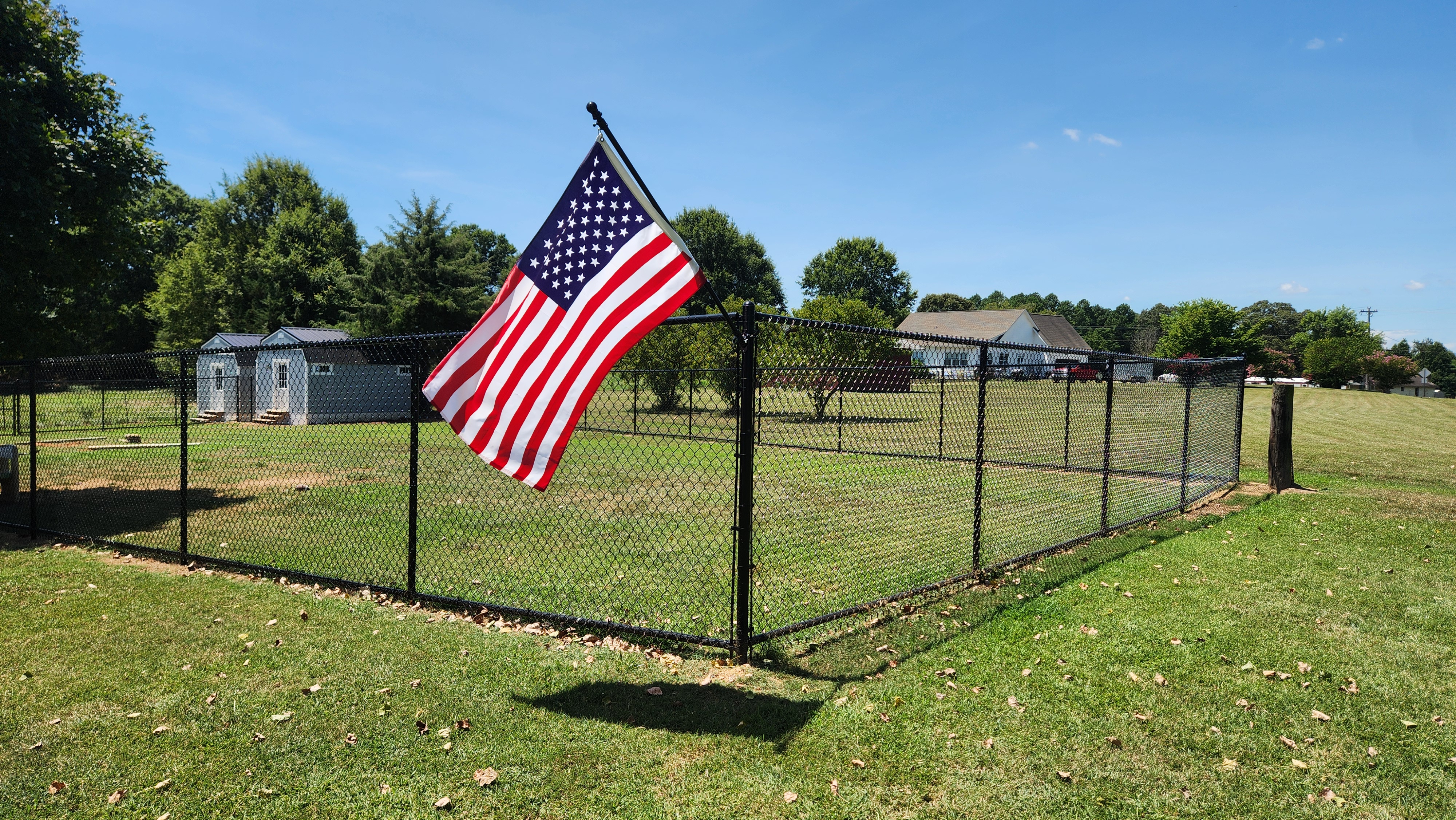
Weather-Resistant Fencing: Material Choices for Every Climate Dec 31, 2025
When considering your fencing options, one key factor is the climate of your area. Fencing must be robust enough to withstand weather extremes, from heavy rainfall and freezing winters to hot, dry summers. This means selecting materials that offer both resilience and longevity.
For wet and humid climates, vinyl fencing is a standout choice. It thrives in damp conditions where traditional wood might rot or warp due to excess moisture. Vinyl does not absorb water and resists mold and mildew, making it a low-maintenance alternative. It's also available in a variety of styles, allowing you to maintain curb appeal without sacrificing quality or durability.
In contrast, areas prone to cold, snowy conditions require fencing that can handle the freeze-thaw cycles without cracking. Steel or aluminum fencing is highly recommended thanks to its strength and ability to withstand severe elements without succumbing to rust. These metals are typically treated with protective coatings to improve their resistance to moisture, which enhances their lifespan significantly.
For those living in regions with high wind speeds, consider opting for composite fencing. This material combines wood fibers and plastic, creating a durable yet flexible surface that can absorb wind impacts without breaking. Composite fencing is particularly effective in withstanding gusts while maintaining its stability and appearance, making it a superb option for coastal areas exposed to strong winds and salty air.
On the other end of the spectrum, for hot and dry climates, cedarwood fencing often emerges as the prime candidate. Cedar naturally contains oils that repel insects and resist decay, ideal for regions with intense sun exposure that can cause other types of wood to dry out and crack. Furthermore, its appealing reddish-brown color can beautifully accentuate your property, maintaining charm and elegance throughout the seasons.
While each of these materials offers specific benefits, ultimately the best choice will align with both your aesthetic preferences and environmental considerations. We at Fence My Lawn recommend consulting with our expert team to assess which materials will offer the most in terms of durability and beauty based on your local weather patterns.
Moreover, investing in high-quality fencing installation is crucial. By working with skilled professionals like those at Fence My Lawn, you ensure that your fencing is not just installed correctly but also adapted to withstand your area's particular climatic challenges. This can dramatically extend the life of your fence and maximize your investment.
In conclusion, selecting the right weather-resistant fencing material requires a good understanding of both the climate you live in and the unique properties of each material option. Whether you're concerned about heavy winds, persistent humidity, or blistering heat, there is a perfect fencing solution waiting for you. Contact Fence My Lawn for expert advice tailored to your needs and find the best match for your landscape and regional weather conditions.
/filters:no_upscale()/filters:format(webp)/media/b866fc30-184d-477f-9bba-dcf0ef6d530b.jpeg)
/filters:no_upscale()/filters:format(webp)/media/242a1060-baa7-40db-81f9-f6b01df83a6f.jpeg)