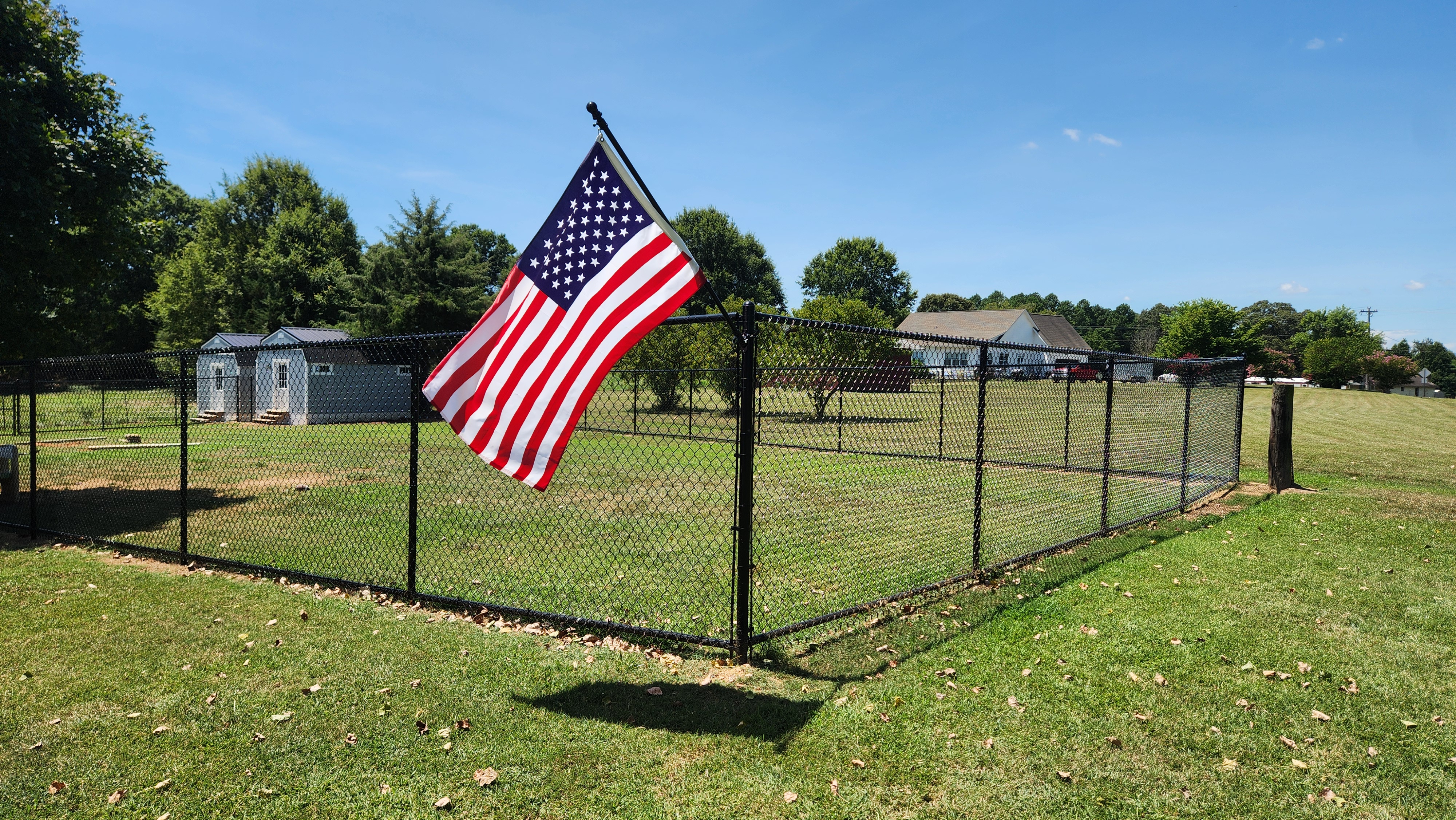
Mastering the Art of Fence Installation: Tips from the Experts Mar 14, 2026
Firstly, it's crucial to understand the regulations governing fence installation in your area. Before you commence any project, we recommend consulting local authorities to be informed about zoning laws, height restrictions, and boundary rules. Obtaining the required permits ensures that your fence meets all legal standards, which can help you avoid potential fines or disputes with neighbors down the line.
Once you have clarity on the legal requirements, the next step is selecting the right materials. Whether you opt for wood, vinyl, metal, or composite, each material has unique benefits and longevity. For instance, wooden fences are praised for their classic look and affordability, although they may require more regular maintenance compared to metal or vinyl, which are more durable and weather-resistant. When choosing, consider your budget, climate, and personal aesthetic preferences.
Measuring and evaluating your space cannot be overlooked. Proper planning leads to precise execution, which minimizes wastage and avoids costly mistakes. Measure twice and cut once is the golden rule. Accurate dimensions will help you determine the materials needed and ensure a seamless installation process.
Preparation of the site follows next. This involves clearing debris, leveling the ground, and marking the layout. Having a smooth, unobstructed path for your fence will make installation more straightforward and effective. This stage is particularly crucial if your yard is uneven or has obstacles like rocks or tree roots that must be addressed.
Setting the fence posts is undoubtedly one of the most critical stages of the installation. Stability is paramount, as the entire structure relies on these posts for support. Ensure the holes are deep enough, particularly in colder climates, to prevent frost heave from affecting the fence’s integrity. Typically, one-third of the post should be underground. Use concrete to set your posts for enhanced stability.
As you begin to attach the panels or rails, precision is key. Using a level for each panel ensures consistency in height and a polished look. It’s important to regularly check alignment using string lines or laser levels to maintain a straight line across the entire length of the fence.
A common oversight is neglecting gate installation, which should be both functional and aesthetically pleasing. When planning your fence, allocate enough space for at least one gate. The gate should swing freely, remain aligned with the rest of the fence, and have secure latching mechanisms.
With the hard work done, don't forget about the finishing touches. Sealing, staining, or painting wooden fences can protect them from weather damage and enhance their appearance. Regular maintenance checks, like tightening screws or oiling hinges, can prolong the life of your fence.
Remember, while DIY projects can be rewarding, hiring professionals like those at Fence My Lawn can save time and ensure a flawless installation. Our experts not only simplify the process but also provide seasoned insights tailored to your specific needs.
Concluding your fencing project with these expert tips ensures a sturdy, beautiful addition to your property. A well-installed fence is more than just a boundary—it's an investment in your home's security and curb appeal. Embark on your fencing journey today with confidence, knowing you’re guided by expertise and quality from Fence My Lawn.
/filters:no_upscale()/filters:format(webp)/media/b866fc30-184d-477f-9bba-dcf0ef6d530b.jpeg)
/filters:no_upscale()/filters:format(webp)/media/242a1060-baa7-40db-81f9-f6b01df83a6f.jpeg)