From Classic to Contemporary: Exploring the Evolution of Fence Designs Jun 28, 2026
Fences have been a part of the human habitat for centuries, starting with rudimentary structures used to safeguard property and livestock. In their early iterations, fences were primarily composed of durable materials such as wood and stone, tailored to withstand the elements and the test of time. These classic designs remain popular today, appreciated for their rugged durability and natural appeal. Wooden fences, with their classic picket or more robust post-and-rail styles, offer a charming and organic touch to any property. They evoke a sense of nostalgia while serving a functional purpose, making them a staple in traditional home landscapes.
As societies progressed, so too did the materials and styles of fencing. The industrial revolution introduced metal fences, allowing for more intricate designs and increased durability. The introduction of wrought iron fences in the late 19th and early 20th centuries added a decorative touch to properties, symbolizing status and security. Today, wrought iron remains a favored choice for those seeking elegance combined with strength, adding a sophisticated touch to any setting.
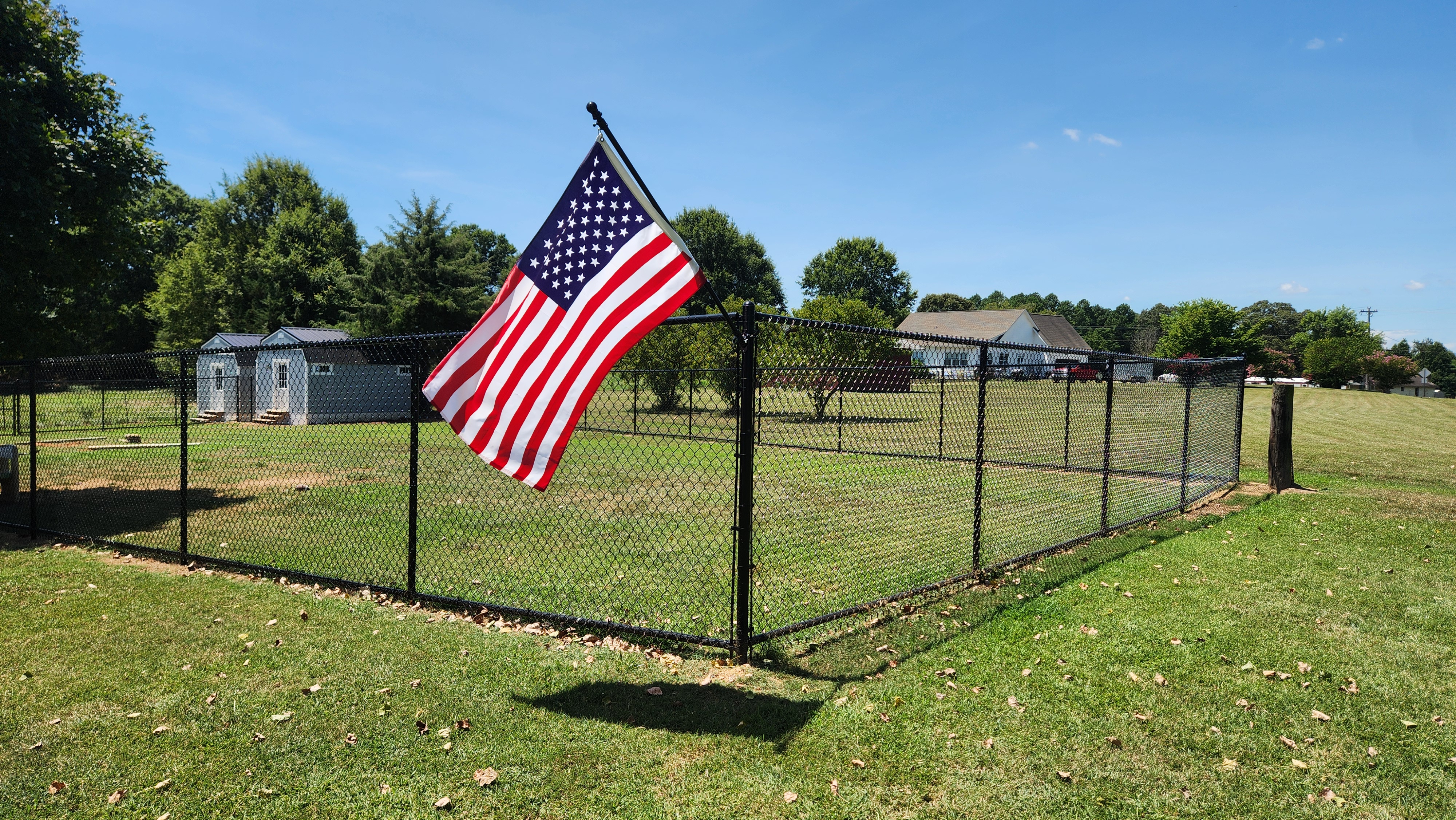
The contemporary shift in the mid-20th century saw the rise of new materials and minimalist designs. As urban areas expanded, so did the need for efficient yet aesthetic fencing solutions. This led to the adoption of chain-link and modern metal fences, which provided practical and affordable options for urban environments. These designs are especially favored in commercial areas due to their durability, cost-efficiency, and low maintenance needs.
In recent decades, the demand for eco-friendly and sustainable solutions has propelled innovation in fence design. The modern market now offers a variety of materials such as recycled composite and vinyl. These contemporary fences mimic the look of traditional materials while offering enhanced weather resistance and minimal upkeep. These sustainable options are perfect for environmentally conscious homeowners seeking to reduce their carbon footprint without compromising on style.
Glass fencing has also gained momentum in contemporary designs, especially in homes seeking to enhance their architectural aesthetics and provide unobstructed views. Frameless glass fences offer a minimalist, sleek appearance, ideal for pool areas or balconies where the view is part of the design. This trend aligns with today's clean, open-space living preferences, seamlessly integrating the outdoor and indoor spaces.
As styles have evolved, so have the opportunities for personalization. Customers can now customize fence designs to reflect personal tastes and functional requirements. Whether incorporating personalized gates or mixing materials for a unique look, the possibilities are nearly endless.
In conclusion, the evolution of fence designs underscores a blend of tradition and modernity, exemplifying how societal needs and preferences shape our outdoor spaces. Fence My Lawn is proud to offer a diverse range of materials and designs to meet every customer’s unique vision. By understanding the historical context and trends in fencing, homeowners can create spaces that are not only secure and functional but also a true reflection of their style. As we continue to innovate and adapt, the fence remains a crucial element of design, where form meets function in perfect harmony.
/filters:no_upscale()/filters:format(webp)/media/b866fc30-184d-477f-9bba-dcf0ef6d530b.jpeg)
/filters:no_upscale()/filters:format(webp)/media/242a1060-baa7-40db-81f9-f6b01df83a6f.jpeg)